
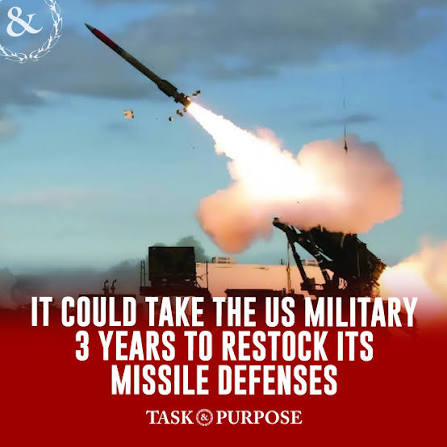

The U.S. military reportedly used up 80 per cent of its key missile interceptors during the recent conflict with Iran. Read that number again. Eighty per cent. That is not a small dip in supply. That is a stockpile pushed close to empty.
Here is why you should care about a number that sounds purely technical at first glance. Interceptors take significant time to rebuild once they are used. A depleted stockpile limits how the military can respond to future threats. Reports suggest Iran and other regional countries are now asking the U.S. to pause further attacks while a deal gets worked out.
Ask yourself this. What happens if another conflict breaks out before that stockpile has time to recover? Military readiness rarely makes headlines until it becomes an active crisis. By the time most people hear about a shortage, the shortage has already shaped decisions made behind closed doors. This is the moment before that crisis becomes visible, not after it.
Think about what an 80 per cent depletion rate actually signals. It suggests the conflict required a level of sustained defence that stretched existing resources far beyond what planners may have expected. Rebuilding that stockpile is not a quick fix. It involves manufacturing timelines, supply chains, and budget allocations that can take months or even years to fully restore.
Here is a question worth sitting with. If the stockpile stays low, does that push toward a longer pause in conflict, or does it create pressure to negotiate from a weaker position? Reports indicate Iran and other countries in the region are asking for a pause, suggesting some awareness of the current strategic picture on all sides. Ask yourself how this shortage might shape decisions in the coming months, even if no new conflict emerges immediately.
Here is what is worth watching going forward.
- Track how quickly the interceptor stockpile gets rebuilt and whether that timeline gets publicly reported at all.
- Watch for any statements from military officials about readiness levels in the region.
- Follow whether the pause requested by regional countries turns into a longer-term agreement.
Most coverage of military conflicts focuses on immediate outcomes like ceasefires or casualty counts. Supply chain details like interceptor stockpiles rarely get the same attention, even though they shape what happens next just as much. This is the kind of story that matters most in the quiet period after headlines fade, not during the loudest moment of the news cycle. Watch how quickly the interceptor supply gets rebuilt. That timeline will tell you more about future risk than any single political statement made this month.