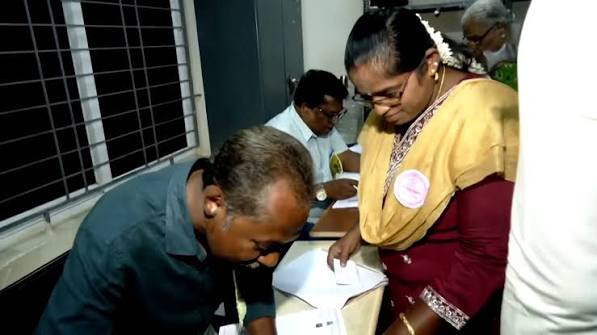
The BJP lost a major local election in the Indian state of Bihar. This is not just a regional story confined to local headlines within India. Bihar is one of India's largest states by population. A significant loss there sends a signal that extends well beyond state borders.
The BJP has held strong national power in recent years, both in parliament and across many individual states. A loss in a major state like Bihar directly challenges that broader momentum. Opposition parties will likely use this result to build confidence and momentum ahead of future national elections.
Ask yourself this. Does a single state election reliably predict a national outcome, or can regional results stay isolated from the bigger national picture? Not always. Regional elections often reflect local issues, local candidates, and local grievances that do not necessarily translate to national sentiment. But patterns matter, especially when they repeat across multiple states over time.
Think about what a Bihar loss specifically signals given the state's size and political significance within India's broader electoral map. Bihar has historically played a significant role in shaping national political narratives, given both its population size and its history of influencing broader political movements within the country. Here is a question worth sitting with. If losses like this continue accumulating in other major states, at what point does a series of regional setbacks start to genuinely threaten national-level dominance for a ruling party?
If similar losses continue in other states over the coming months, they could meaningfully shift the national conversation heading into India's next major election cycle. Opposition parties will almost certainly point to this result as evidence that voter sentiment is shifting, using it to energize their own campaigns and fundraising efforts elsewhere.
Here is what is worth watching going forward.
Track how the BJP's national leadership publicly responds to this specific loss in the coming weeks.
Watch upcoming state elections closely for similar patterns, since a single loss could be an outlier or the start of a genuine trend.
Follow how opposition parties frame this result in their own messaging, since that framing often shapes public perception more than the raw numbers themselves.
Most international readers only encounter Indian political news through brief, isolated headlines that lack broader context about what came before or what might follow. But taken in the context of India's ongoing political landscape, a result like this offers a clearer window into where national politics may be heading over the next several years. Watch how the BJP responds in the coming months. Their next moves will tell you clearly whether this result was a one-time regional setback or the beginning of a larger national shift.
The BJP lost a major local election in the Indian state of Bihar. This is not just a regional story confined to local headlines within India. Bihar is one of India’s largest states by population. A significant loss there sends a signal that extends well beyond state borders.
The BJP has held strong national power in recent years, both in parliament and across many individual states. A loss in a major state like Bihar directly challenges that broader momentum. Opposition parties will likely use this result to build confidence and momentum ahead of future national elections.
Ask yourself this. Does a single state election reliably predict a national outcome, or can regional results stay isolated from the bigger national picture? Not always. Regional elections often reflect local issues, local candidates, and local grievances that do not necessarily translate to national sentiment. But patterns matter, especially when they repeat across multiple states over time.
Think about what a Bihar loss specifically signals given the state’s size and political significance within India’s broader electoral map. Bihar has historically played a significant role in shaping national political narratives, given both its population size and its history of influencing broader political movements within the country. Here is a question worth sitting with. If losses like this continue accumulating in other major states, at what point does a series of regional setbacks start to genuinely threaten national-level dominance for a ruling party?
If similar losses continue in other states over the coming months, they could meaningfully shift the national conversation heading into India’s next major election cycle. Opposition parties will almost certainly point to this result as evidence that voter sentiment is shifting, using it to energize their own campaigns and fundraising efforts elsewhere.
Here is what is worth watching going forward.
- Track how the BJP’s national leadership publicly responds to this specific loss in the coming weeks.
- Watch upcoming state elections closely for similar patterns, since a single loss could be an outlier or the start of a genuine trend.
- Follow how opposition parties frame this result in their own messaging, since that framing often shapes public perception more than the raw numbers themselves.
Most international readers only encounter Indian political news through brief, isolated headlines that lack broader context about what came before or what might follow. But taken in the context of India’s ongoing political landscape, a result like this offers a clearer window into where national politics may be heading over the next several years. Watch how the BJP responds in the coming months. Their next moves will tell you clearly whether this result was a one-time regional setback or the beginning of a larger national shift.